

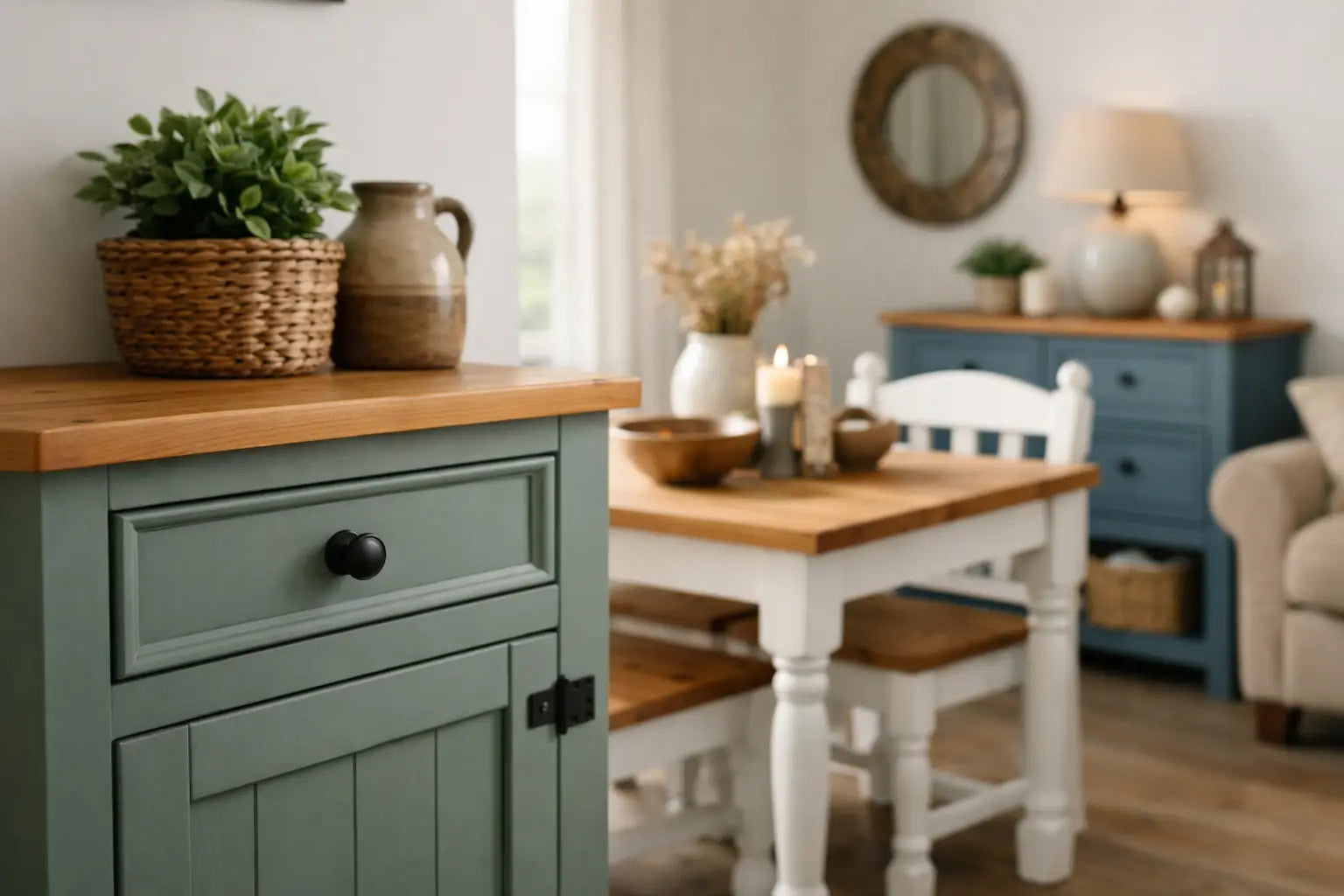
There is a reason corona painted furniture continues to hold its place in British homes. The shape is familiar, the timber has real presence, and the look sits comfortably between rustic country style and something more refined. When the original waxed pine finish feels a little too orange or heavy for a room, paint changes the mood completely without losing the character that made Corona pieces popular in the first place.
For many homeowners, that balance is exactly the appeal. You keep the sturdy silhouette, generous storage and solid, lived-in feel, but gain a finish that works better with modern walls, softer textiles and a more considered interior scheme. Done well, painted Corona furniture does not look like an afterthought. It looks intentional, distinctive and far more individual than buying flat-pack alternatives that are on every other high street and retail park.
Why corona painted furniture works so well
Corona furniture has always had strong visual bones. The chunky frames, panelled doors, black metal hardware and rustic detailing give each piece enough identity to stand on its own. That matters when you are refinishing furniture, because not every range improves with paint. Some pieces become bland once their original finish is covered. Corona tends to go the other way.
Paint softens the heavier aspects of the design while letting the shape do the work. A sideboard in a muted chalky stone can feel elegant rather than bulky. A bedside cabinet in off-white or sage becomes lighter and easier to place in a calm bedroom. A console table in a deeper charcoal or navy can look far more tailored than the original pine, particularly in hallways where first impressions count.
The other advantage is versatility. Painted Corona pieces can move in several style directions depending on the finish. A distressed surface leans country and relaxed. A smooth satin finish feels cleaner and more contemporary. Keep the top in natural wood and the contrast adds warmth. Paint the entire piece in one tone and the look becomes more unified and polished.
Choosing the right finish for your room
The colour matters, but the finish matters just as much. That is where many people either get it exactly right or end up with something that feels slightly at odds with the rest of the room.
In living spaces, softer neutrals are usually the easiest choice. Warm whites, putty tones, stone, mushroom and gentle greys bring out the texture of the timber and hardware without fighting for attention. These shades also work well with layered interiors where rugs, lamps, mirrors and upholstery already carry plenty of interest.
In bedrooms, painted Corona furniture often looks best when it helps create a quieter mood. Pale sage, muted clay, soft taupe and classic ivory all sit comfortably with upholstered headboards, crisp bedding and warmer wood accents. If the room is short on natural light, a lighter painted finish can make substantial pieces feel less dominant.
For dining rooms and hallways, deeper tones can be especially effective. Navy, olive, charcoal and even black can make a Corona sideboard or chest look more expensive and more architectural. The trade-off is that dark colours show dust, knocks and fingerprints more readily, so they suit homes where style takes priority and maintenance is not a concern.
Painted all over or wood top left exposed?
This is often the key design decision. Leaving the top in natural wood keeps a link to the furniture's rustic roots and introduces contrast, which can help a large piece feel less flat. It is a popular option for dining furniture, coffee tables and sideboards where the top surface benefits from a little visual warmth.
Painting the whole piece creates a cleaner look. This works particularly well in bedrooms, hallways and smaller spaces where you want the furniture to blend more neatly into the scheme. If your room already includes a lot of different wood tones, an all-over painted finish can also make the overall look feel calmer.
Where painted Corona furniture suits the home best
One of the strengths of the range is that it is practical furniture first. These are not precious pieces that need to be admired from a distance. They are designed to be used, filled, styled and lived with.
A painted Corona sideboard earns its place in a dining room by offering serious storage without feeling too formal. Dress it with a lamp, framed artwork and a few ceramic pieces and it becomes part of the room rather than just somewhere to hide table linen. In a kitchen-diner, the same sideboard can soften a space that might otherwise feel led entirely by cabinetry and worktops.
In the bedroom, chests of drawers and bedside tables are where the painted finish really comes into its own. The chunkier design feels grounded and substantial, but the right colour keeps the room restful. This is especially useful in family homes, where furniture needs to cope with daily use without looking temporary.
Hallways are another strong fit. A painted Corona console, cupboard or narrow chest can add useful storage while introducing character straight away. Hall spaces often suffer from looking overlooked or overly functional. A refinished piece adds warmth and a sense of thought-through style from the moment you step indoors.
What to look for in quality refinishing
Not all painted furniture is finished to the same standard. That is worth keeping in mind if you are choosing a refinished piece rather than tackling one yourself.
A well-painted Corona item should still respect the furniture underneath. The finish needs to feel even, durable and in keeping with the shape of the piece. You do not want thick paint clogging detailing, rough brush marks in all the wrong places, or a surface that will chip at the first knock from a hoover or school bag.
Preparation is what separates a professional result from a rushed one. Proper cleaning, sanding, priming where needed, thoughtful colour selection and suitable topcoats all contribute to the final appearance. Hardware should also be considered carefully. Original black metal details can look brilliant against lighter painted finishes, but occasionally a subtle update to knobs or handles can sharpen the whole piece.
This is where bespoke refinishing has real value. Rather than trying to make a standard finish work in every room, you can choose colours and treatments that suit your home properly. At Smallhill Furniture Co, that character-led approach is part of what makes painted heritage furniture feel special rather than simply second-hand.
Styling corona painted furniture without making it feel themed
The best rooms do not lean too hard on one idea. Painted Corona furniture works beautifully when it is balanced with cleaner lines, softer textures and a few more contemporary elements.
If you have a painted sideboard, pair it with a simple mirror rather than something too heavily carved. Add a linen shade, a ceramic vase or a modern table lamp to keep the mix fresh. In a bedroom, crisp bedding and upholstered pieces help offset the more rustic structure of the furniture.
This is also where colour repetition matters. If your Corona chest is painted in a muted green, echo that tone lightly elsewhere through cushions, artwork or a throw. The room then feels curated, not accidental. Equally, if the piece has a natural wood top, bring in similar warmth through picture frames, flooring or woven accessories so it feels connected.
There is no need to furnish an entire room in matching Corona pieces unless you genuinely like a more traditional set look. In many homes, one or two painted pieces are enough. They add depth and personality precisely because everything else does not match them exactly.
Is corona painted furniture right for every home?
Not always, and that is part of making a good choice. If your interior is very sleek, ultra-minimal and built around high gloss finishes, slim metal frames and sharp architectural lines, Corona may feel too grounded and rustic even after painting. Likewise, if you love the pale raw look of Scandinavian oak, the heavier form of Corona might not be the cleanest fit.
But for homes that want warmth, storage, individuality and a little heritage without the cost of antique furniture, it makes a great deal of sense. It works particularly well in period properties, country homes, renovated terraces and newer houses that need more character. The painted finish gives you room to steer the look in a more refined direction while keeping the practicality that made the range so enduring.
The appeal, really, is that corona painted furniture does not try too hard. It is useful, handsome furniture with enough substance to anchor a room and enough flexibility to evolve with your style. If your home wants pieces that feel personal rather than purely functional, it is a choice that continues to reward good taste.


