

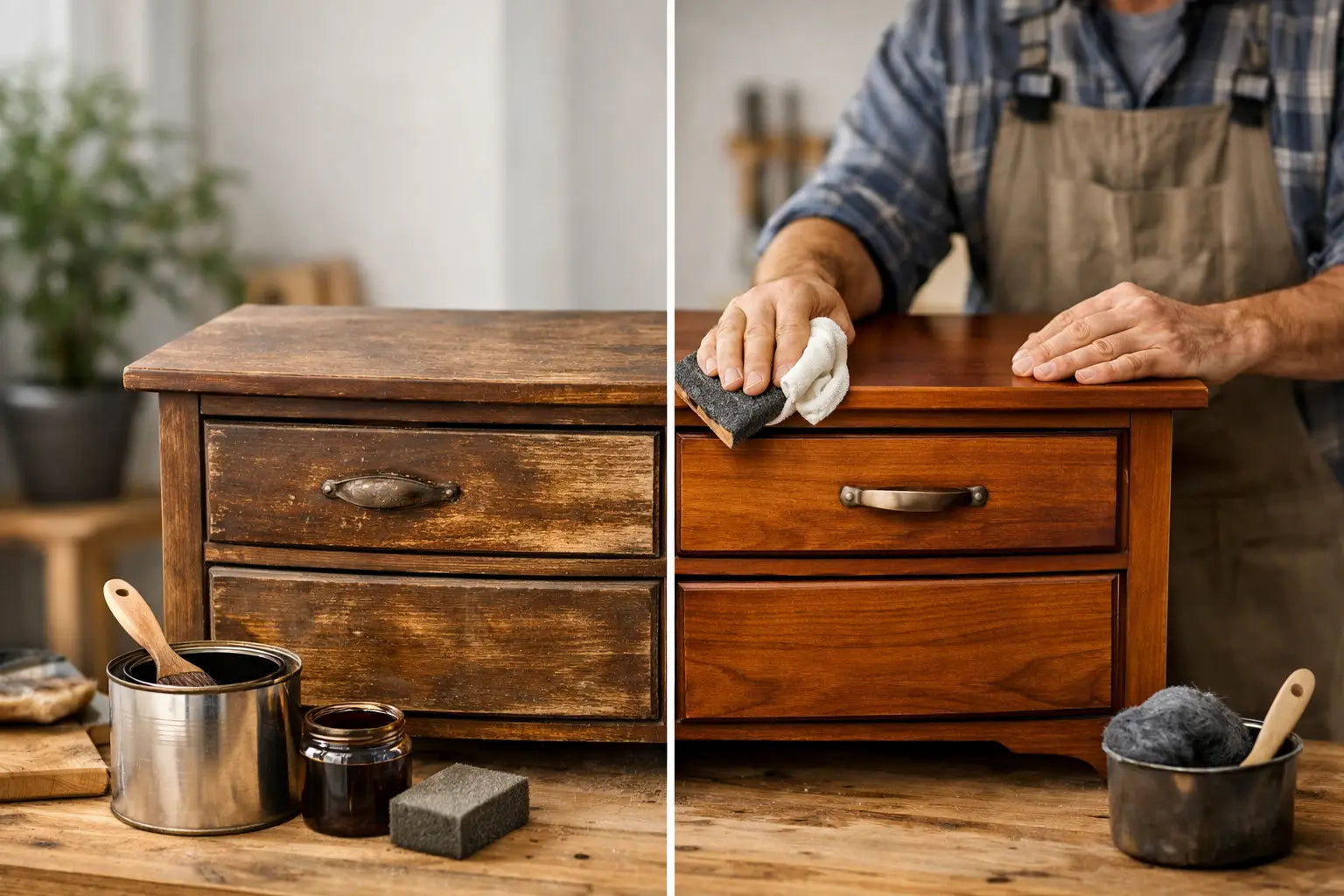
That handsome sideboard with the rich painted finish and neat brass handles may not be brand new at all - and that is often exactly the appeal. If you have ever wondered what is refinished furniture, the short answer is this: it is furniture that has been carefully updated to improve its appearance, protect its surface, and give it a fresh place in a modern home.
Refinished furniture sits in a particularly interesting space between old and new. It keeps the bones, proportions and often the craftsmanship of an earlier piece, while refreshing the finish so it feels relevant, usable and beautifully considered. For many homeowners, that balance is far more appealing than buying something entirely mass-produced.
What is refinished furniture exactly?
Refinished furniture is an existing piece that has had its outer finish renewed or changed. That could mean stripping back old varnish, sanding the surface, repairing minor wear, and then applying a new paint, stain, wax or lacquer. The aim is not always to make it look factory new. In many cases, the goal is to preserve character while improving the overall look and durability.
This is where refinement matters. A well-refinished chest of drawers, table or wardrobe should still suit the original piece. The finish ought to enhance the shape, detailing and timber rather than smother it. Good refinishing respects what made the furniture worth saving in the first place.
Some pieces are refinished because their original coating has become tired, scratched or dated. Others are refinished to suit a new interior scheme. A darker traditional dresser, for instance, might be repainted in a softer neutral or a deeper heritage shade so it works beautifully in a hallway, dining room or bedroom today.
Refinished, restored or refurbished - what is the difference?
These terms are often used interchangeably, but they are not exactly the same.
Refinished furniture specifically refers to the surface treatment being renewed. The focus is on how the piece looks and how its exterior is protected. That may involve paintwork, staining, waxing, varnishing or distressing.
Restored furniture usually means bringing a piece back closer to its original condition. This can include structural repairs, replacing missing trim, fixing joints, treating wood damage and preserving original details where possible.
Refurbished furniture is the broadest term of the three. It may include refinishing, repairs, hardware updates and practical improvements that make the piece more functional or more visually suited to current tastes.
In practice, one item can be all three. A vintage sideboard might be repaired, lightly altered and professionally repainted. But if you are shopping and want to know what you are actually buying, it helps to ask whether the work was cosmetic, structural, or both.
Why refinished furniture appeals to design-conscious homes
The appeal is not simply that it looks different from showroom furniture. Refinished furniture often has scale, shape and detailing that are harder to find in newer pieces at the same price point. Older furniture was frequently made with sturdier construction, sensible proportions and timber veneers or solid wood elements that still hold up well decades later.
Then there is the character factor. A painted Stag chest, an updated Old Charm sideboard or a reworked Corona cabinet can bring a room to life in a way flat-pack furniture rarely does. These are pieces with presence. They feel collected rather than copied.
That does not mean refinished furniture is only for period homes. In fact, it often works best when mixed into more contemporary interiors. A heritage piece in the right colour can soften a new-build dining space, add warmth to a pared-back bedroom or create contrast in a modern kitchen.
What happens during the refinishing process?
The process varies depending on the material, the age of the piece and the intended finish, but quality work usually follows a clear sequence.
First, the furniture is assessed. Any loose joints, chipped veneer, damaged handles or uneven surfaces need attention before the final finish goes on. There is little point in applying lovely paint to a drawer front that does not sit properly.
Next comes preparation. This may involve cleaning away wax, grease and old polish, removing flaking paint, sanding surfaces and filling minor imperfections. Preparation is the stage that most influences the final result. A smooth, durable finish starts long before the paintbrush appears.
After that, the new finish is applied. This might be a classic neutral painted look, a darker dramatic colour, a natural wood stain or a combination of painted body and exposed top. Sometimes the finish is crisp and contemporary. Sometimes it is gently distressed to preserve a more relaxed, lived-in feel.
Finally, the piece is protected and finished with the right topcoat or wax, and hardware may be cleaned, replaced or updated. When done well, the result should feel intentional, not improvised.
Is refinished furniture good quality?
It can be excellent quality, but it depends entirely on the starting piece and the standard of workmanship.
A strong vintage frame with well-made drawers and solid construction can become an outstanding refinished item. Equally, a poorly prepared piece with rushed paintwork may look attractive in photographs but disappoint in person. Brush marks, weak coverage, sticking drawers and neglected interiors are all signs that the process may have prioritised speed over care.
The best refinished furniture feels substantial. Drawers should run properly. Doors should align. Surfaces should be even and well protected. If distressing is part of the look, it should appear deliberate rather than accidental. Character is welcome. Flimsiness is not.
This is why trusted retailers and furniture specialists matter. They understand which pieces are worth reviving and how to finish them in a way that suits both the furniture and the customer’s home.
What should you look for before buying?
If you are considering a refinished piece, look beyond the colour first. Style matters, of course, but quality is in the details.
Check whether the furniture has been structurally assessed as well as cosmetically updated. Ask about the finish used and whether it is suitable for everyday wear. A bedside table, family dining table and hallway console all face different levels of use, so the finish should reflect that.
It is also worth considering whether the refinished look suits the underlying design of the piece. Some furniture lends itself beautifully to paint, especially pieces with elegant lines, panelled fronts or carved detail. Other items are better left closer to their natural timber finish. Good taste in refinishing is as important as technical skill.
And do think practically. Measure carefully, especially with older wardrobes, sideboards and tall chests. Vintage and refinished furniture can have more generous proportions than newer furniture, which is often part of the charm.
Is refinished furniture sustainable?
In many cases, yes. Giving an existing piece a new life can be a more responsible choice than buying new, particularly when the original furniture is well made and still has decades of use left in it.
That said, sustainability is not automatic. It depends on the longevity of the refinished piece, the quality of materials used during the process, and whether the result is something you will genuinely want to keep. A thoughtful purchase that lasts is usually better than a trend-led one that quickly falls out of favour.
For homeowners who want interiors with substance, refinished furniture often makes sense on both aesthetic and practical grounds. It reduces waste, celebrates craftsmanship and creates rooms that feel more individual.
Who is refinished furniture best for?
It suits buyers who want furniture with personality but still expect reliability. If you like the idea of a home that feels layered rather than fully matched, refinished pieces are especially useful. They can act as anchors in a room - the item that gives everything else more depth.
It also suits anyone who values bespoke options. Colour choice can completely change the mood of a piece, from calm and classic to bold and architectural. That flexibility is one of the reasons refinished furniture has become so popular with homeowners who want something distinctive without commissioning furniture entirely from scratch.
At Smallhill Furniture Co, that balance of heritage character and carefully considered finish is part of the attraction. A one-off refinished piece can sit comfortably alongside new lighting, textiles and decorative homeware, making a room feel curated rather than over-designed.
So, what is refinished furniture really offering?
At its best, refinished furniture offers more than a new coat of paint. It offers a second life for a well-made piece, a more individual look for your home, and the kind of finish that feels chosen rather than generic.
For some homes, that means a statement sideboard in a dining room. For others, it is a bedside chest, a painted wardrobe or a characterful console in the hall. The common thread is this: refinished furniture brings history forward in a way that still feels useful, elegant and ready for daily life.
If a piece has good bones and has been finished with care, it can do something flat new furniture often cannot - make a room feel settled from the moment it arrives.


